

Three Simple Observations That Reshape Your Evening
The core gratitude ritual explained step-by-step. Discover why three specific observations create sustainable change in your daily perspective and emotional well-being.


Starting a gratitude habit alone works for some people. But we’ve found that doing it with others? That’s where the real transformation happens. When you’re in a room with people who are working on the same thing, something shifts. You’re not just learning techniques — you’re becoming part of something bigger.
Community settings create accountability, shared energy, and honest conversation. People open up differently when they’re among others pursuing the same growth. You’ll hear stories that resonate with your own struggles. You’ll see progress in real time. And most importantly, you won’t feel like you’re doing this alone.
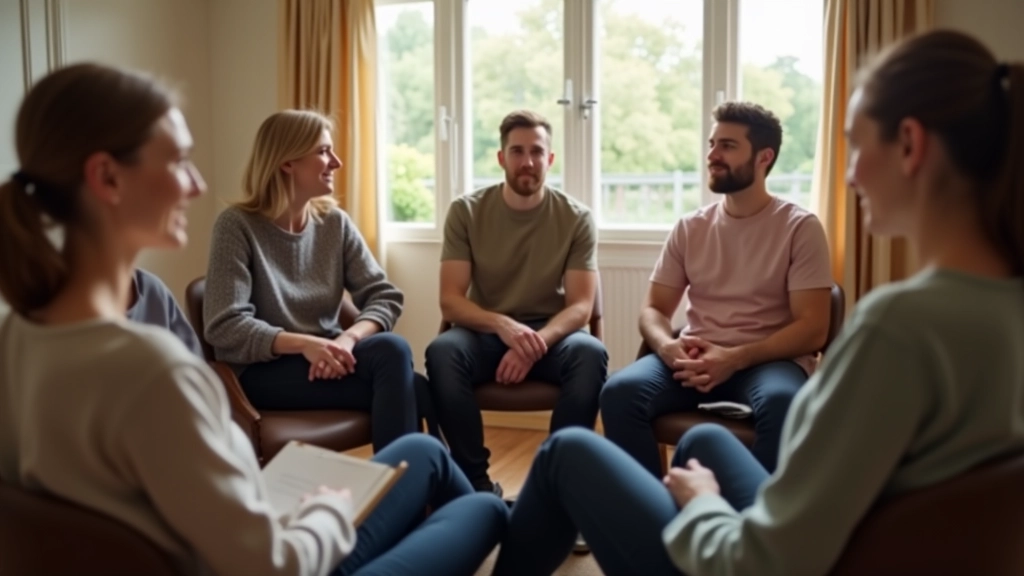
Most gratitude workshops in Ireland use variations of the same core practice: three observations. It’s simple. It’s effective. And it works better in groups because you get to hear what others noticed in their day.
You identify one thing that went well in your day. Could be something major like landing a project at work, or small like having a good cup of coffee. The size doesn’t matter.
You write or say why this moment felt important to you. This is where reflection happens. You’re not just listing good things — you’re understanding what makes them meaningful.
You identify the person or people who made it possible. Most good things involve other people. In workshops, you’ll often discover gratitude for people you hadn’t thought to thank.

This article provides educational information about gratitude practices and community-based approaches to mindset development. The techniques described are based on positive psychology research and workshop facilitation experience. Individual results vary based on consistent practice, personal circumstances, and commitment. This content is not a substitute for professional mental health services. If you’re experiencing depression, anxiety, or other mental health challenges, please consult a qualified healthcare provider.
Community workshops typically run for 90 minutes. Here’s what you can expect when you walk into one across Ireland:
The first 15 minutes is always settling in. People arrive, grab tea or water, chat a bit. The facilitator creates space for people to get comfortable. Then everyone sits in a circle — this matters because it’s equal. No one’s at the front of a room. Everyone’s visible to everyone else.
The next 30 minutes covers the three observations framework. The facilitator explains it, shares examples from their own life (usually honest ones, sometimes funny), and answers questions. Then everyone gets time to write their own three observations. This is quiet time. People actually focus.
The final 45 minutes is sharing. Some people share all three observations. Some share just one. Some listen and don’t share — that’s fine too. What happens here is magic. You’ll hear things that make you laugh. Stories that surprise you. Realizations that apply to your own life.



You’ll notice something shift after your first workshop. It’s not dramatic or instant. But there’s something about being in a room with people who get what you’re working toward. You feel less alone in it. The three observations practice becomes more natural because you’ve heard others do it. You understand that gratitude isn’t about forcing positivity — it’s about noticing what’s actually good in your life.
Most people who stick with community workshops do it because they develop real friendships with other participants. You start seeing familiar faces. You remember what Sarah was working through last week. You genuinely care when Marcus shares that he finally landed that job interview. That’s the community part. That’s what keeps people coming back.
If you’re thinking about joining a workshop in Ireland, don’t wait for the perfect moment. There isn’t one. Just show up, sit in the circle, and listen to what other people notice. You’ll be surprised at how much their observations resonate with your own experience. And you’ll probably leave thinking about something you hadn’t thought to be grateful for.